Rosemary - One of the Oldest Healing Herbs Recorded

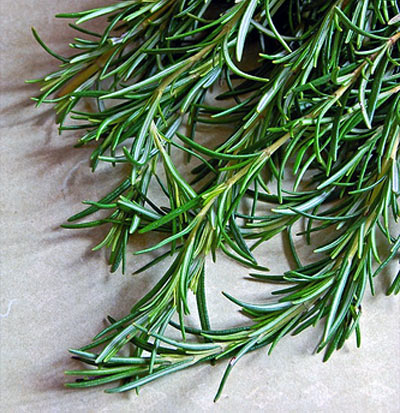
Rosemary - A long history of healing
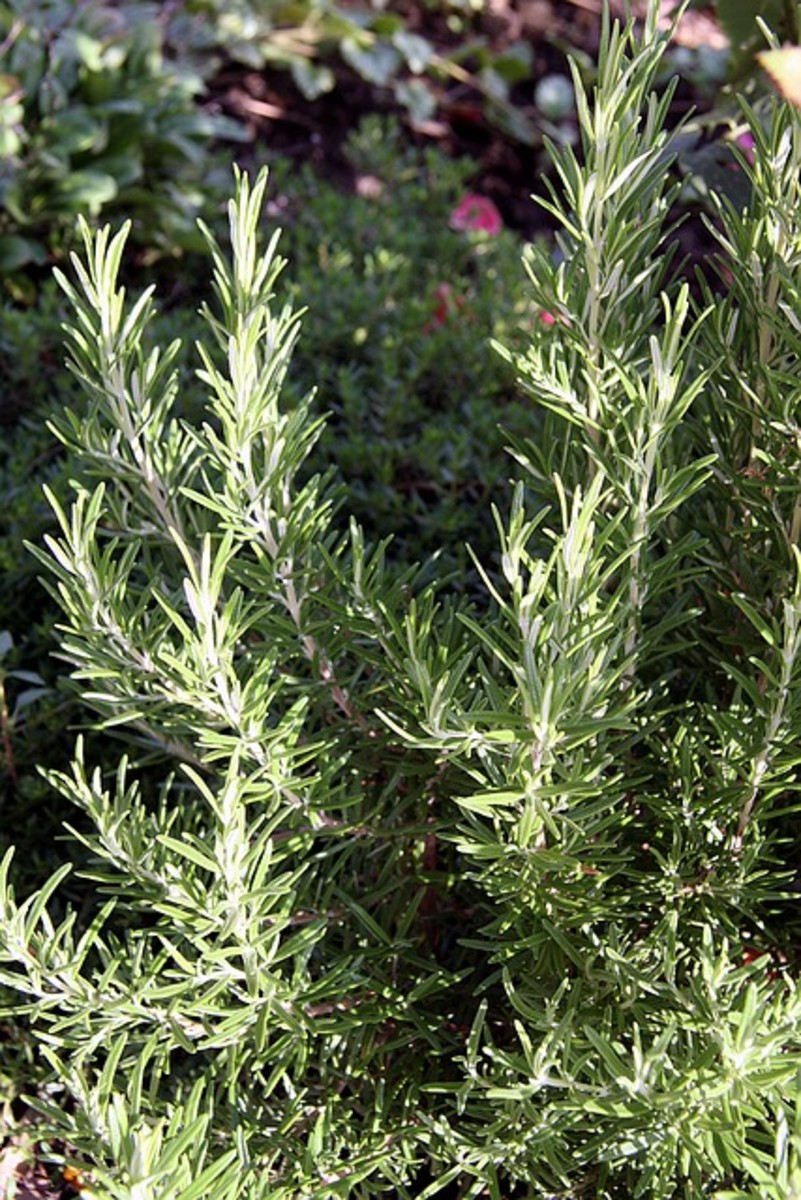
Rosemary (Rosemarinus officinalis) native to western Asia and southern Europe the Mediterranean region is considered to be one of the oldest recorded herbs in history. There have been references of Rosemary written on stone tablets from ancient Sumerian dating as far back as the 5th millennium B.C.
Rosemary is most recognized as a spice for flavoring food and beverage, but has long been used as an antiseptic and astringent as well, and is included in many skin care products for its beneficial effects on both the skin and hair. Since ancient times this wonderful herb has been a symbol of friendship, loyalty and remembrance.
Dew of the Sea
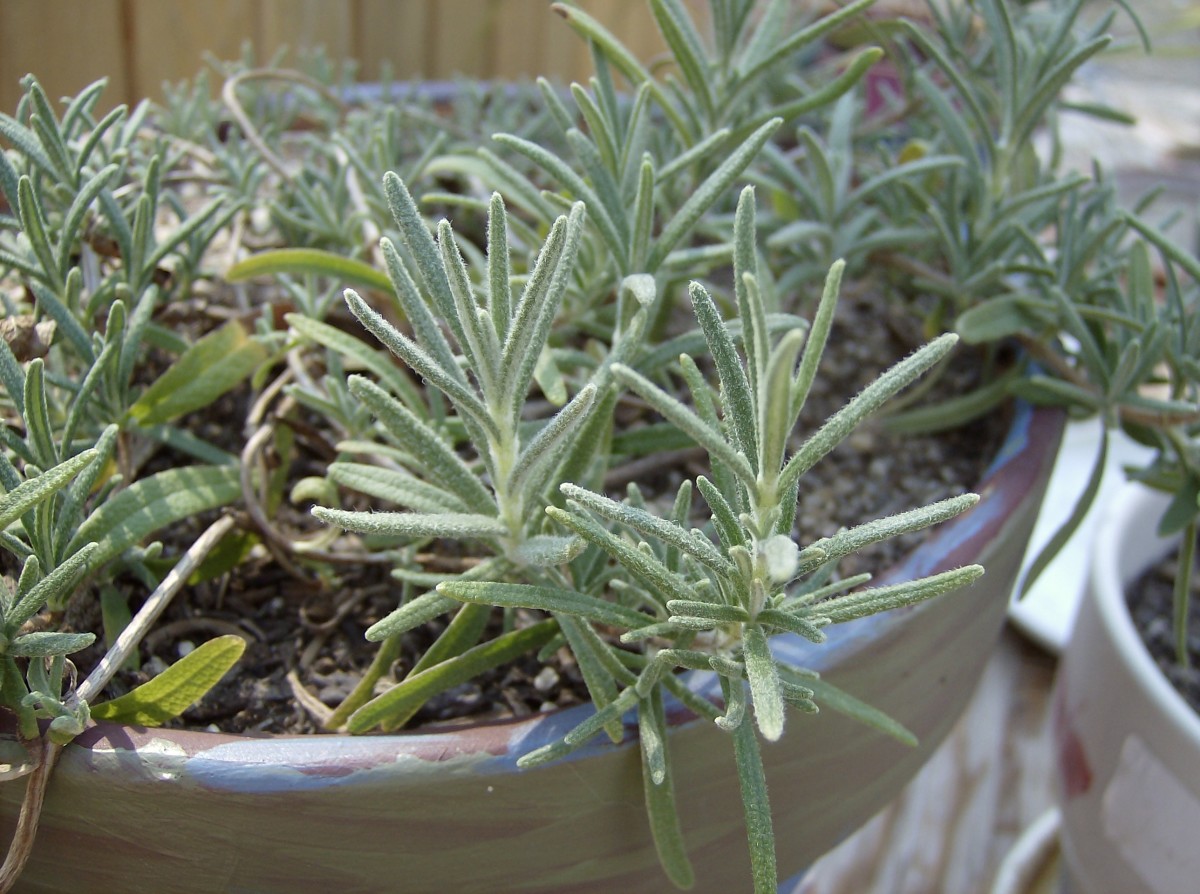
Rosemary being a Mediterranean plant will not take to cold winters for many of us multi-season gardeners, but does grow very well in containers. Growing Rosemary in a potted container allows you to bring indoors during the winter months having fresh cuttings readily available. Make sure to have a container with good drainage, and not to overwater. The name Rosmarinus comes from the Latin word ros marinus, meaning “dew of the sea”. This tells us a little bit about its cultivation requirements. Rosemary loves sandy soil and a light misting.
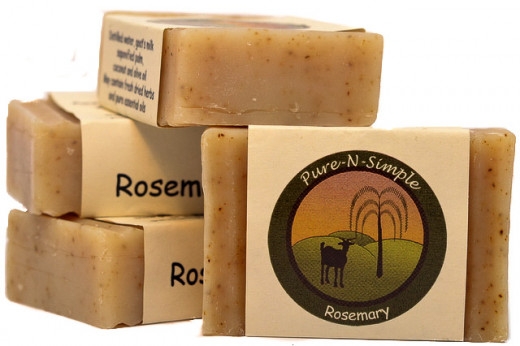
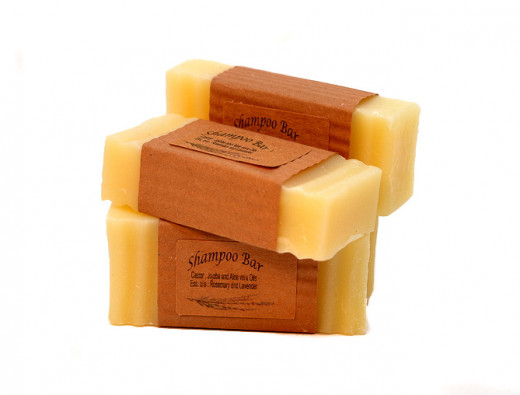
Rosemary for hair care
Rosemary is known for stimulating hair follicles, allowing hair to grow longer and stronger. It is also believed to stimulate hair bulbs slowing down premature hair loss. Rosemary is often used to naturally treat dandruff, and is often mixed with tea tree oil and basil oil to treat scalp problems.
Herbal Vinegar Hair Rinse
2cups Apple Cider Vinegar
1/4 cup Rosemary (or) your choice (I use fresh herbs)
Place the herb in a glass jar with the vinegar, and let it sit for a week.
Strain threw cheesecloth.
Add 1 Tablespoon of the strained oil to 8ozs. Of water
Use as a hair rinse after shampooing.
Mouth Care
Rosemary is also a disinfectant often used in mouth washes, treating sores, cuts, and gum’s and removing bad breadth. There are no harsh chemicals added to an herbal Rosemary mouth rinse.
Rosemary, Mint, Sage Mouth Rinse
One tea spoon of dried ground up Rosemary, Sage, and Mint
Infuse to 1 cup of hot water
Strain water from herbs, and keep labeled in a separate jar as mouth rise. This should last a few days.
Fun Facts of Rosemary
During ancient times scholars would wear Rosemary garlands during exams to improve their concentration.
During World War II, French hospitals would burn Rosemary leaves to help kill germs.
Raymundus Lullus first extracted Rosemary by distillation around 1330.
The Queen of Hungary was known to use one of the first cosmetic preparations of the fourteenth century.
Rosemary skin care
Rosemary is a common ingredient found in many anti-skin aging products, natural soaps and shampoos. It is known to stimulate circulation and increase the blood supply to the skin. Extracts from this plant rejuvenate the skin by strengthening capillaries restoring the skin to its youthful appearance and preventing age related skin damage.
Rosemary’s anti-oxidant abilities
Recent research has indicated Rosemary to have cancer fighting abilities as well. Rosemary contains caffeic acid and rosemarinic acid both obtaining anti-oxidant and anti-inflammatory agents. These ani- oxidants contain monoterpenes, phenolic, diterpenes, and flavonoids which are all known to slow down the production of free radicals.
Growing Rosemary
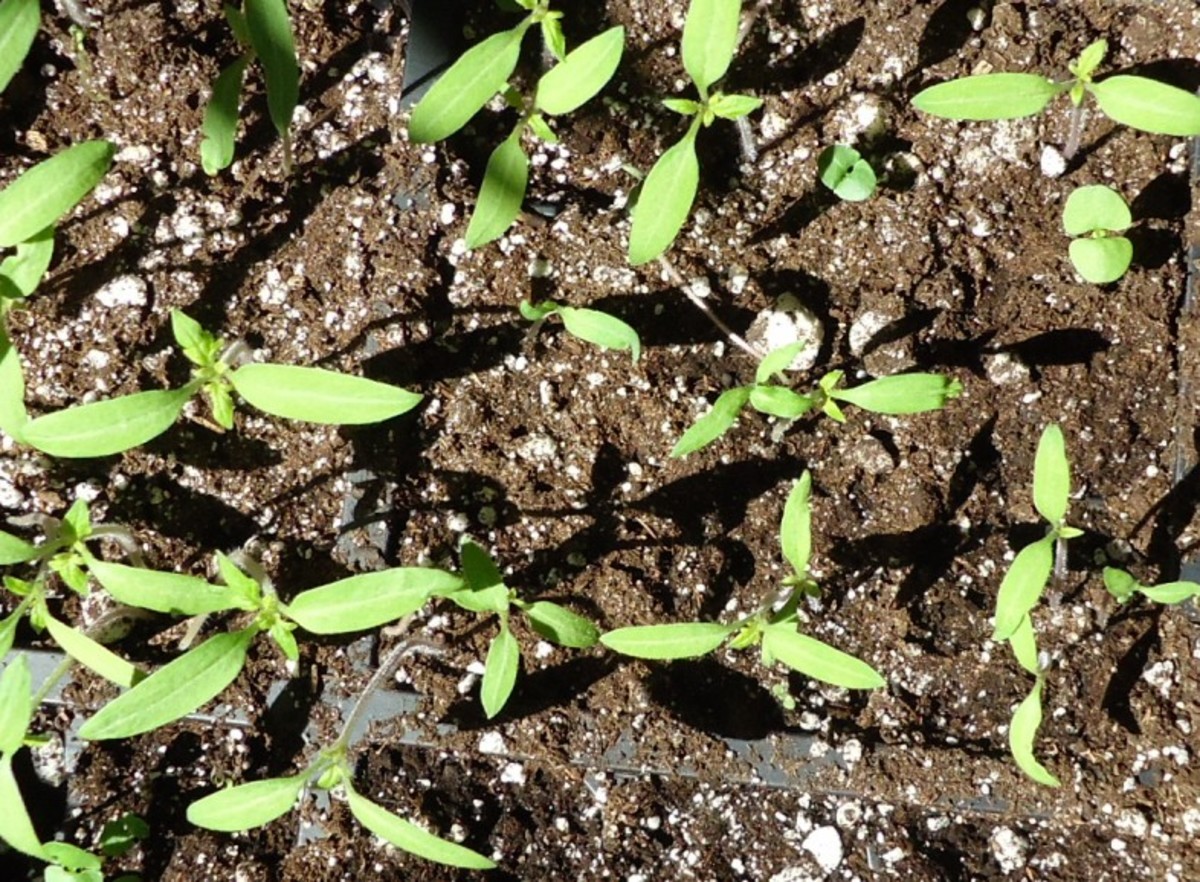
Starting Rosemary from seed
Rosemary is very difficult to start from seed having a very slow germination rate. Germination could take between 14-30 days, and if you have really good seed, you could possibly see germination as little as 5-10 days. If you are planning to start Rosemary from seed, be sure to start 8-12 weeks before last scheduled frost. Lightly press the seed to the surface of a moist growing mix, and be sure not to bury the seed. Rosemary requires light to germinate and temperatures between 70-75 degrees during the day and 55-60 degrees during the night.
Seed Stratification
If you are unable to keep your seeds at this temperature you can cover your flat with plastic wrap to keep soil moist and place them in the refrigerator for about a week. This process is called seed stratification. This is pre-treating the seed to simulate natural winter conditions that a seed must endure before germination.
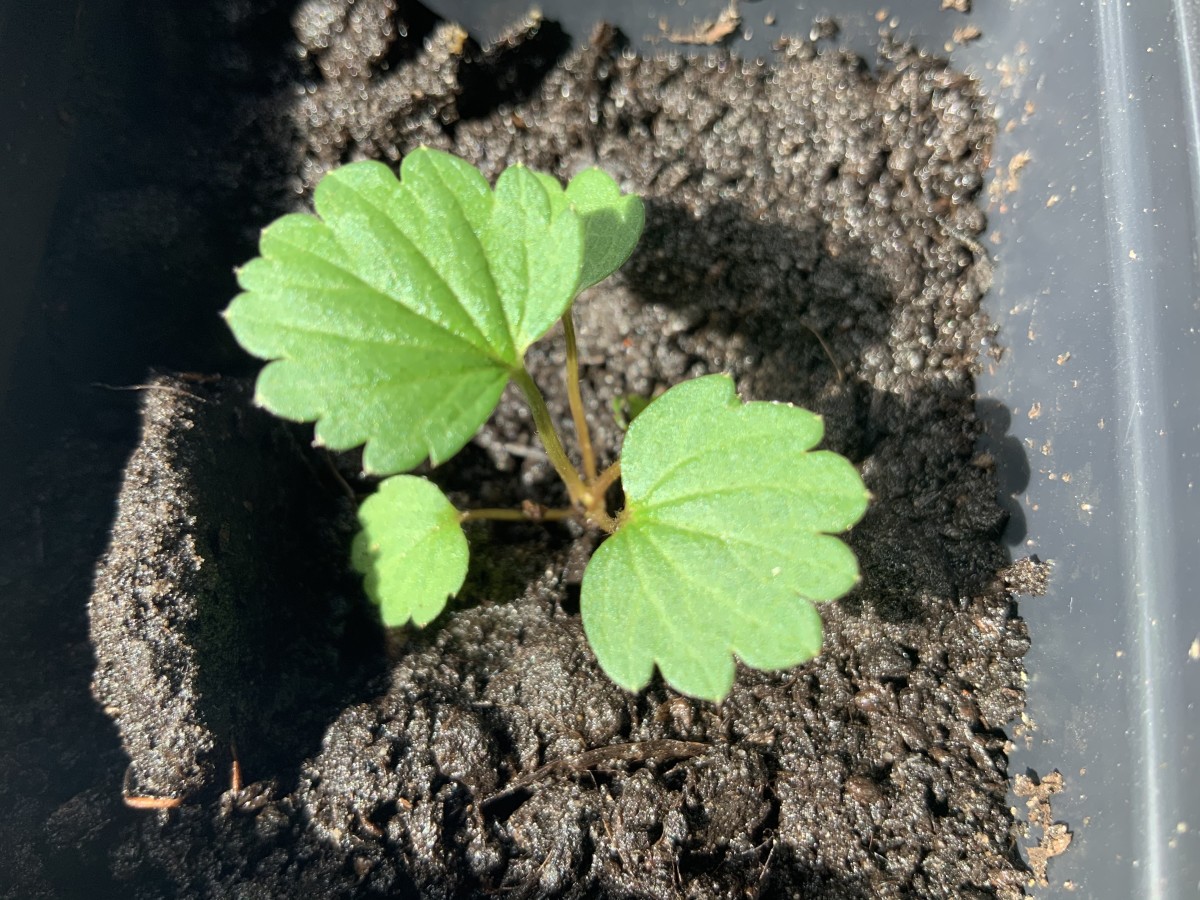
Once your seedlings begin to have 4 true leaves you should then begin transplanting those to larger containers or garden as long as you are past your frost season. Rosemary should be spaced 8-10 inches apart in northern climates, and in native settings Rosemary should be transplanted 18-36 inches apart. This plant can overwinter if night time temperatures remain in the teens, but will defiantly not winter over if colder than that. Remember that Rosemary loves well drained soil, lots of sun and light watering. Try to avoid watering at night.
Barely scratched the surface.
This magnificent herb has not only served mankind well in the kitchen but has such a long history of healing. This hub only mentions very few benefits this amazing plant has to offer. There are many cooking recipes, and herbal remedies enough to fill an entire book just on Rosemary.
Remember to always consult with a clinical herbalist or qualified health care practitioner before treating yourself with natural and herbal remedies. All information mentioned in this hub is for general information and should not be considered as medical advice or consultation. Always contact a reputable health care practitioner if medical care is needed.